PRENATAL SUPPORT
Pregnancy with Trisomy 18
Continuing a pregnancy after a Trisomy 18 diagnosis can bring many questions about your baby’s health, pregnancy monitoring, delivery, and what the months ahead may look like.
Care can be individualized around your baby’s unique medical findings, your pregnancy, and your family’s goals.
Every Pregnancy is different.
Your baby’s individual medical findings help guide monitoring and care.

What Might the Pregnancy Journey Look Like?
Every pregnancy with Trisomy 18 is different. Care often evolves throughout pregnancy as your medical team learns more about your baby’s growth, development, heart, and individual needs. These are some of the common steps families may experience along the way.
Diagnosis
Understanding screening or diagnostic results and what they may mean for your baby.
MFM Monitoring
Regular visits with maternal-fetal medicine specialists to monitor you and your baby.
Growth & Development
Ultrasounds may follow your baby's growth, movement, anatomy, and overall development.
Fetal Heart Evaluation
A fetal echocardiogram can provide a closer look at your baby's heart structure and function.
Delivery Planning
Your family and medical team can develop a delivery and newborn care plan based on your goals.
Pregnancy Monitoring
High-Risk Pregnancy Monitoring
A pregnancy affected by Trisomy 18 is typically followed by a maternal-fetal medicine specialist, often called an MFM. Your care team may recommend additional ultrasounds and fetal monitoring to better understand your baby’s growth, development, and overall well-being.
The type and frequency of monitoring can vary throughout pregnancy. Your care plan should be individualized based on your baby’s needs, your health, your family’s goals, and conversations with your medical team.

Detailed Anatomy Ultrasounds
A detailed anatomy ultrasound, often performed around the middle of pregnancy, looks closely at your baby’s development from head to toe. The specialist may evaluate the brain, face, spine, heart, stomach, kidneys, limbs, placenta, umbilical cord, and other structures for differences that may affect pregnancy or newborn care.
Growth Ultrasounds
Growth ultrasounds are used throughout pregnancy to track how your baby grows over time. Measurements may include the head circumference, abdominal circumference, femur length, and estimated fetal weight. Because fetal growth restriction is common in Trisomy 18, these scans can help your care team follow growth patterns and decide whether additional monitoring is needed.
Doppler Studies
Doppler ultrasound evaluates blood flow through certain vessels, especially the umbilical cord and placenta. It helps your medical team assess how well blood, oxygen, and nutrients reach the baby. Doppler studies may be recommended when there are concerns about growth restriction or placental function.
Amniotic Fluid Monitoring
Ultrasound can be used to measure the amount of amniotic fluid surrounding your baby. Too little or too much fluid can sometimes occur with fetal medical conditions and may affect how closely the pregnancy is monitored. Your care team will look at fluid levels together with your baby’s growth, movement, and other findings.
Non-Stress Tests
A non-stress test, or NST, monitors your baby’s heart rate and movements for a period of time, usually later in pregnancy. Sensors are placed on the abdomen to see how the baby’s heart rate responds to movement. Your care team may use NSTs as one part of assessing your baby’s wellbeing.
Biophysical Profiles
A biophysical profile, or BPP, combines an ultrasound evaluation with fetal heart-rate monitoring. It may assess your baby’s movements, muscle tone, breathing movements, amniotic fluid level, and sometimes the results of a non-stress test. The overall picture helps the medical team evaluate how the baby is doing at that point in the pregnancy.
Questions to Ask Your MFM
Growth & Development
Understanding Fetal Growth Restriction
Healthcare providers monitor fetal growth throughout pregnancy using several measurements and assessments. A baby who measures smaller than expected may need closer monitoring to understand growth patterns and overall well-being,
Head Circumference
Measures the size of the baby's head and helps doctors compare growth with expected patterns for gestational age
Abdominal Circumference
Measures the baby's abdomen and can provide important information about growth and nutritional support during pregnancy.
Femur Length
Measures the length of the baby's thigh bone and is one of several measurements used to assess fetal growth
Estimated Fetal Weight
Combines ultrasound measurements to estimate the baby's weight and help doctors monitor growth over time
Placenta & Umbilical Cord Blood Flow
Doctors may also assess blood flow through the placenta and umbilical cord. These measurements can provide additional information about how well the baby is receiving oxygen and nutrients.

Fetal Echocardiography
Fetal Echocardiogram
Understanding Your Baby’s Heart
Heart differences are common in babies with Trisomy 18, which is why your care team may recommend a specialized fetal echocardiogram. This detailed ultrasound gives a fetal cardiologist a closer look at your baby’s heart, its structure, and how blood flows through it. Understanding your baby’s individual heart findings can help you and your medical team prepare for pregnancy, delivery, and care after birth.
- Four Chambers
- Heart valves
- Major Blood Vessels
- Blood Flow
- Heart Rhythm
- Overall Heart Function
Why is this helpful before birth?
Knowing about a heart difference before delivery can help families and medical teams plan for birth and newborn care

Emotional Support
There is no right way to feel
There is no single emotional response to a Trisomy 18 pregnancy. You may grieve the pregnancy experience you imagined while also loving and celebrating the baby you are carrying. Some parents want to learn everything they can, while others need time before they are ready to take in more information.
Some families focus on preparing for birth, while others focus on making memories during pregnancy. Many move between these feelings from day to day. There is no right or wrong way to experience this pregnancy—you are allowed to take it one day at a time and find what feels meaningful for you and your family.
Making Memories
Ways to Celebrate Your Baby During Pregnancy
There are many ways to honor your baby and create meaningful memories during pregnancy. Choose the things that feel right for your family – there is no “right” way to make memories.
Take Maternity Photographs
Capture this special time with your favorite photographer or on your own
Record your baby's heartbeat
Save a sound you’ll treasure forever
Keep a Pregnancy Journal
Write down your thoughts and milestones
Write letters to your baby
Share words with your baby
Save ultrasound pictures
Save the memorable moments of your baby
Choose a keepsake
Something special to remember
Celebrate milestones
Mark Important moments
Include siblings
Let them be part of the journey
Create a memory box
Keep special items together
Family Support
Supporting Siblings and Family
A Trisomy 18 pregnancy can bring many questions and emotions for the whole family. Siblings may need simple, age-appropriate explanations, reassurance, and opportunities to feel included as they learn about their new brother or sister. Making space for their feelings, creating meaningful memories together, and finding small ways to stay connected can help children feel secure, loved, and an important part of the journey.
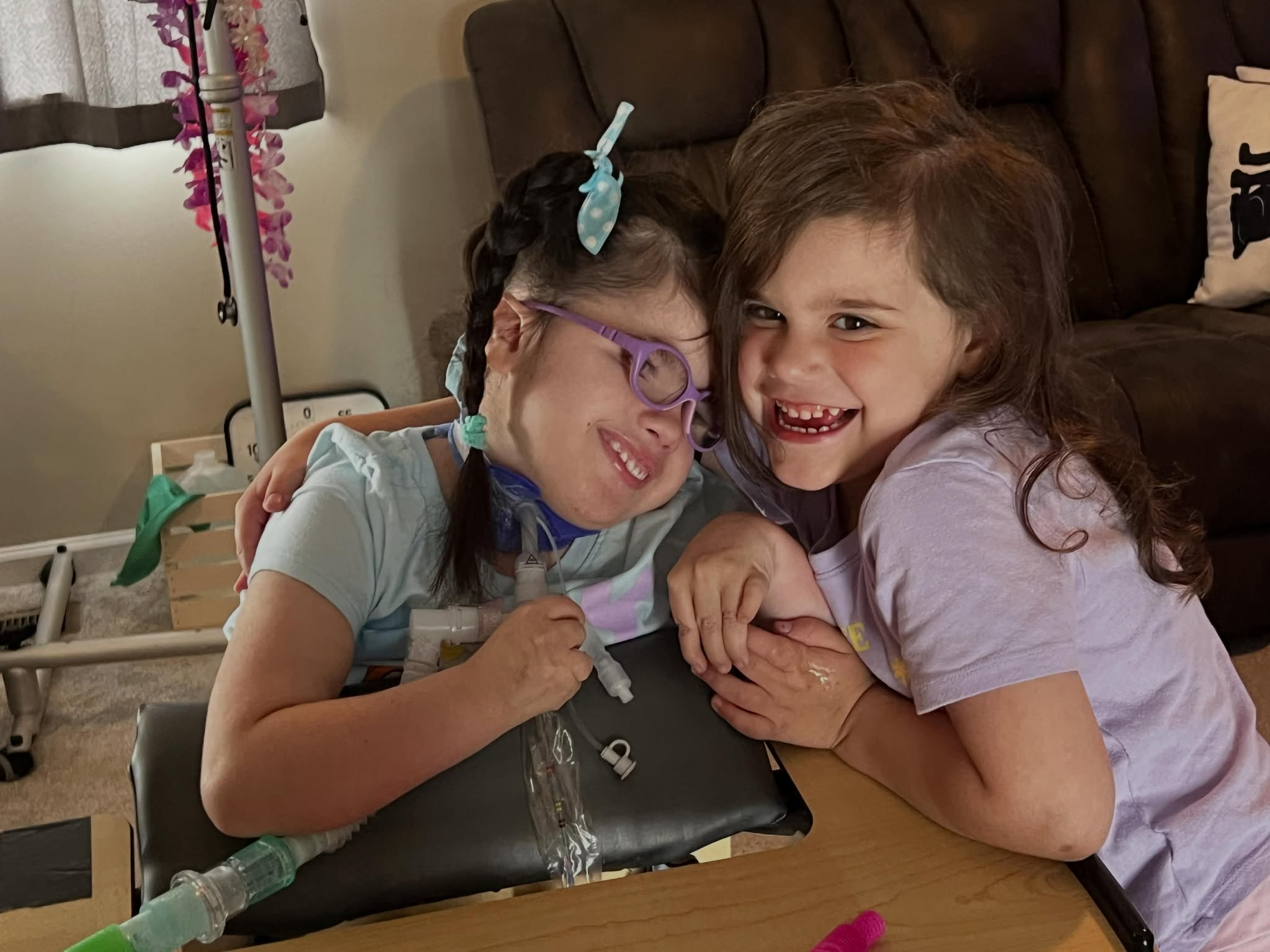
Helping Siblings Understand Trisomy 18
Give siblings a simple, honest explanation of Trisomy 18 so they can better understand what may be different about the pregnancy and their new sibling.

Using Age-Appropriate Language
Use words and explanations that match your child's age and developmental level, keeping information clear without overwhelming them.
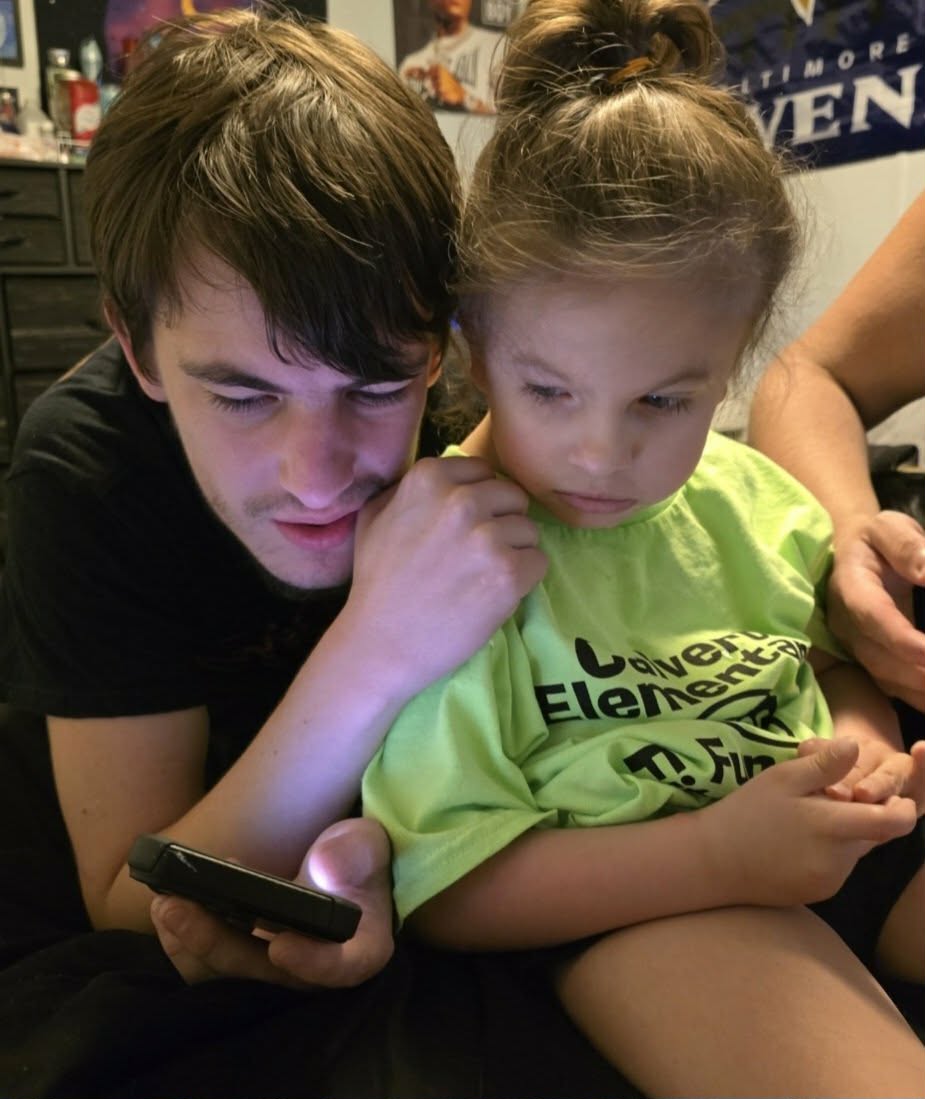
Supporting Fear, Sadness or Confusion
Make space for siblings to share difficult feelings, ask questions, and receive reassurance as they process what is happening
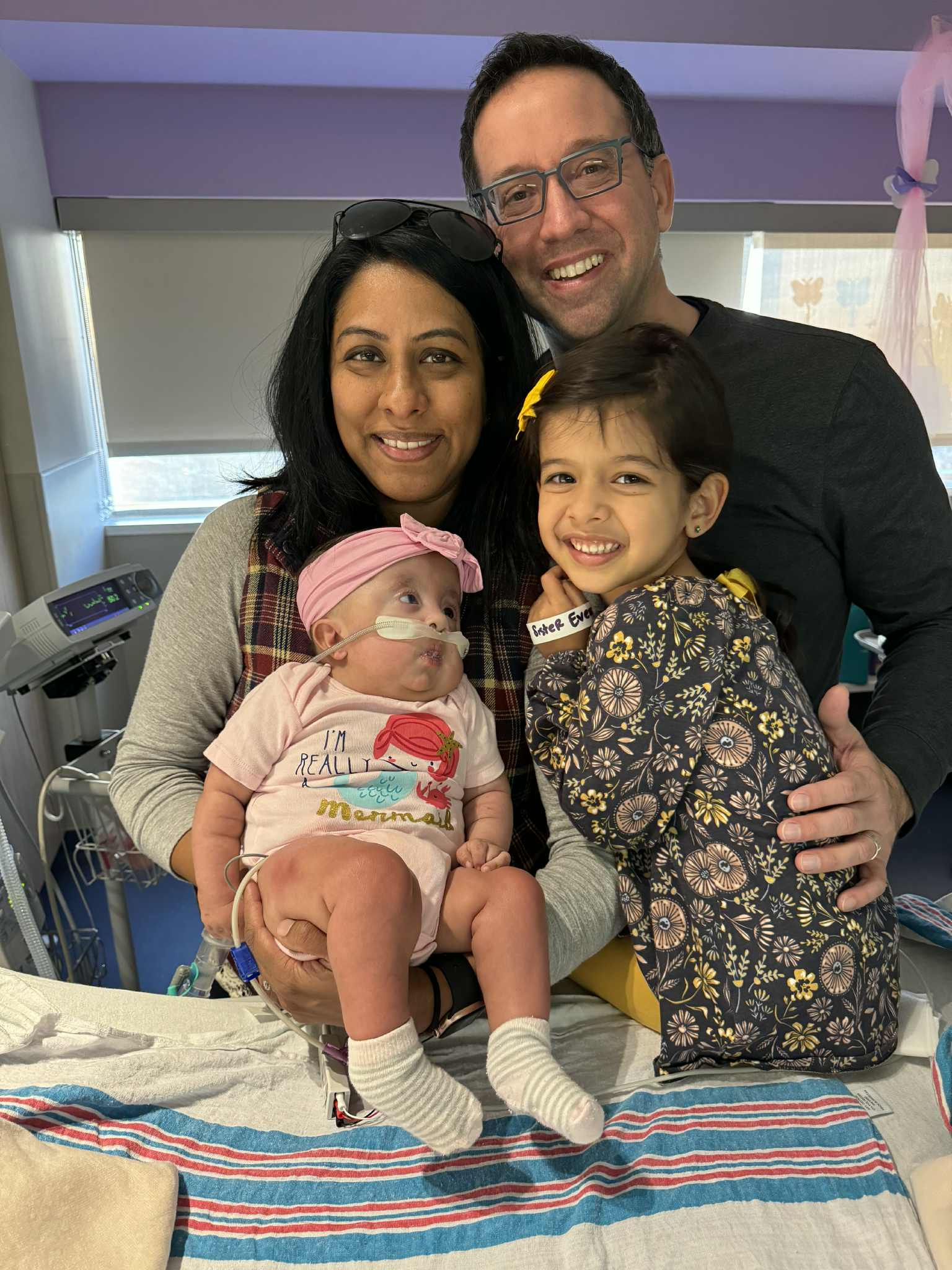
Including Siblings in the Pregnancy
Invite siblings to take part in meaningful ways, such as attending an ultrasound, choosing something for the baby, or helping prepare for their arrival.
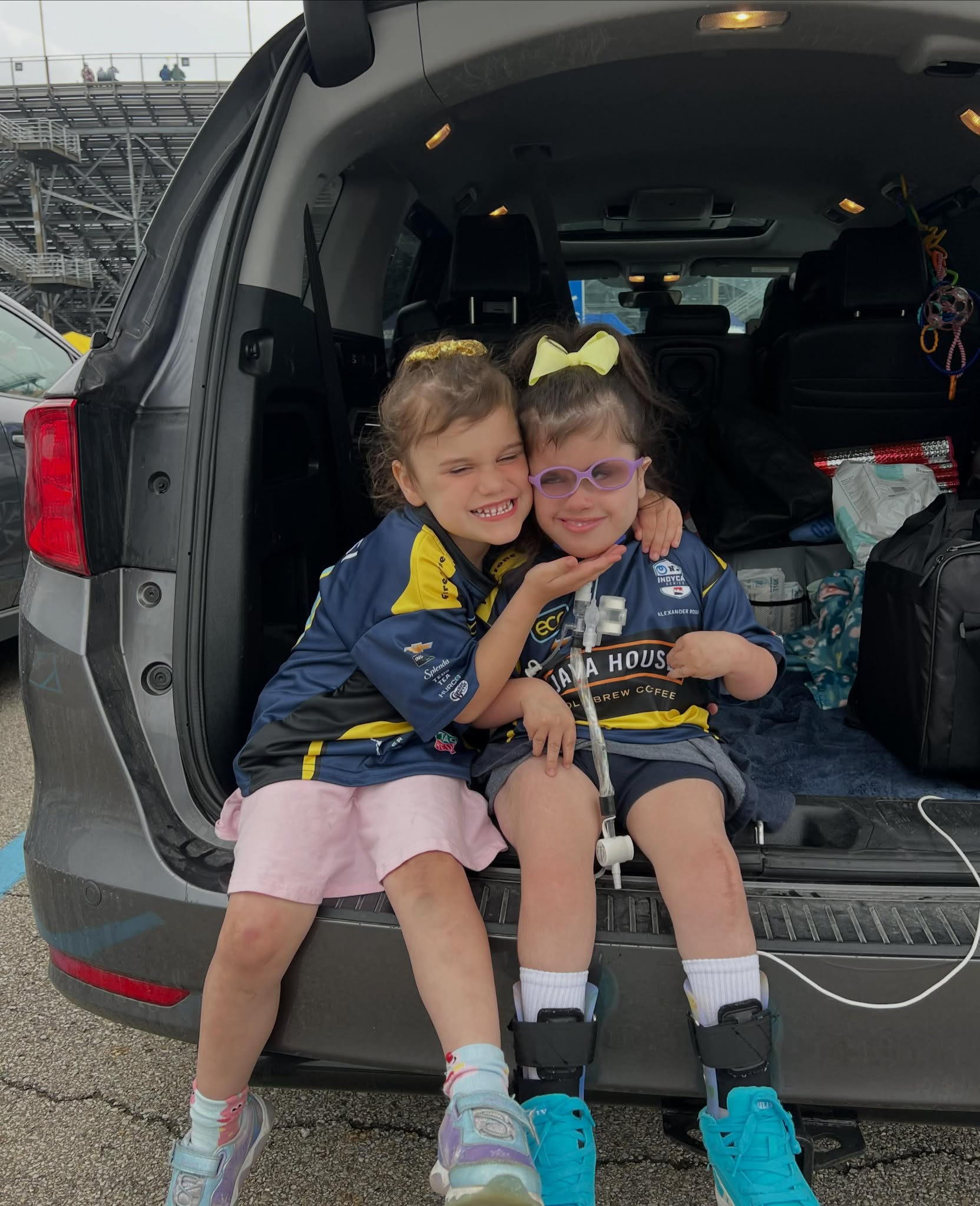
Creating Memories Together
Help siblings build a connection with the baby through photos, drawings, keepsakes, letters, and special family moments during pregnancy.
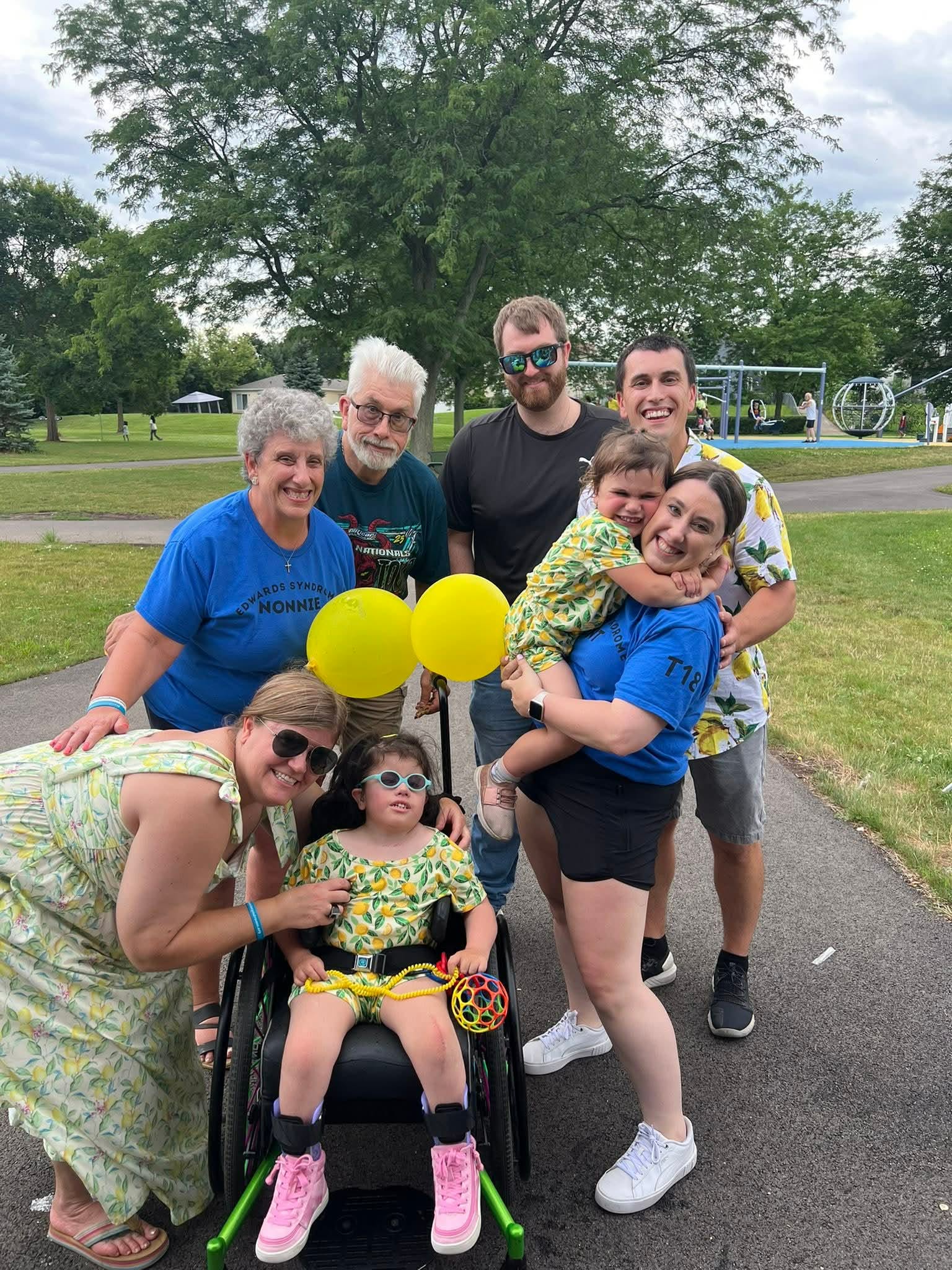
Helping Parents Stay Connected With Their Other Children
Set aside intentional time for your other children so they continue to feel secure, valued, and connected to you throughout the pregnancy.
Building Your Pregnancy Care Team
A Trisomy 18 pregnancy may involve several different medical professionals, each bringing a different area of expertise to your care. Your team can help monitor your pregnancy, explain test results, prepare for delivery, answer questions about your baby’s medical needs, and support your family as you make decisions along the way.
Not every family will need every specialist listed below. Your care team should be individualized to your pregnancy, your baby’s needs, and your family’s goals and preferences.
Maternal - Fetal Medicine
Monitors your high-risk pregnancy and your baby's development.
Genetic Counselor
Helps explain testing results, inheritance, and what is currently known about Trisomy 18.
Fetal/Pediatric Cardiology
Evaluates congenital heart differences.
Neonatology
Discusses newborn stabilization and NICU care..
Pediatric Specialists
May become involved depending on your baby's individual medical findings.
Palliative Care
Palliative Care focuses on comfort, quality of life, symptom management, and family support.
Social Work
Can connect your family with resources, counseling, financial assistance, lodging, transportation, and community programs.
Primary OB Team
Your primary OB Team continues to provide your routine pregnancy care and often serves as the central connection between you and your specialists.
Questions to guide your conversations
Questions to Take to Your Appointments
Having a list of questions can help you feel more prepared and make the most of your appointments. Expand each section for example questions.
Questions for Maternal-Fetal Medicine (MFM)
- What findings have you identified on my baby’s ultrasounds?
- How is my baby growing compared with previous scans?
- How often will we have growth ultrasounds?
- Will you monitor blood flow through the placenta and umbilical cord?
- How will you monitor amniotic fluid levels?
- When might non-stress tests or biophysical profiles begin?
- What changes or symptoms should prompt me to call or come to the hospital?
- What findings could change the timing of delivery?
- How will fetal growth restriction affect decisions about the pregnancy or delivery?
- Should I deliver at a hospital with a Level III or IV NICU?
- Which specialists should we meet with before delivery?
- Can we begin creating an individualized birth and neonatal care plan now?
Questions for Fetal Cardiology
- What heart differences do you see in our baby?
- Can you explain the findings in everyday language?
- How severe are the heart differences?
- Are there signs that the heart condition is affecting our baby during pregnancy?
- Will we need additional fetal echocardiograms?
- Does the heart condition affect where our baby should be delivered?
- What evaluation will our baby need after birth?
- Would our baby need medication, respiratory support, or another intervention immediately after birth?
- Are catheter-based procedures or heart surgery potentially treatment options for this particular heart condition?
- If surgery could be considered, what factors would determine whether our baby is a candidate?
- Can we meet with the pediatric cardiology or cardiac surgery team before delivery?
- How does Trisomy 18 affect the way your team approaches treatment decisions?
Questions for Neonatology
- What should we expect immediately after our baby is born?
- Who will be present from the neonatal team at delivery?
- What options are available for stabilizing our baby after birth?
- What types of respiratory support could be offered if our baby has difficulty breathing?
- Can our baby receive oxygen, CPAP, or mechanical ventilation if medically appropriate?
- How will feeding and nutrition be managed?
- What testing will be performed after birth?
- Would our baby automatically go to the NICU?
- When will we be able to hold and bond with our baby?
- Can we have skin-to-skin contact if our baby is medically stable?
- How will decisions about medical interventions be made?
- How does your NICU approach treatment for babies with Trisomy 18?
- Will specialists evaluate our baby based on their individual medical needs rather than the diagnosis alone?
- Can palliative care be involved alongside medical or life-prolonging treatment?
- Can we tour the NICU and meet members of the neonatal team before delivery?
Questions About Delivery Planning
- Where is the safest place for our baby to be delivered?
- Is vaginal delivery an option?
- Under what circumstances would a C-section be considered?
- Will our baby be continuously monitored during labor?
- How will changes in our baby’s heart rate during labor be handled?
- Who should be present at the delivery?
- Can our pediatric or neonatal specialists be notified when I go into labor?
- What newborn resuscitation options can we discuss before delivery?
- Can our wishes for oxygen, ventilation, medications, or other interventions be documented before birth
- Can we create a written birth and neonatal care plan that is placed in my medical record?
- What happens if I go into labor at a hospital other than our planned delivery hospital?
- How can we prioritize bonding and family time after birth?
- Can siblings or other family members visit after delivery?
- Are photography, keepsakes, handprints, footprints, or other memory-making activities available?
- Who should we contact if we want to change our care preferences before or during delivery?
THE NEXT STEP
Preparing for Birth
As your pregnancy progresses, your care team can help you prepare for your baby’s delivery and care after birth. Together, you can create an individualized birth and neonatal care plan that reflects your baby’s medical needs, your family’s wishes, and your preferences for treatment, comfort, and bonding.
Labor
Your Birth Plan Begins
Fetal Monitoring
Monitoring during labor
Birth
Welcoming your baby
Newborn Stabilization
Individualized newborn care
NICU/Family Care
Treatment, comfort & bonding
Continue the prenatal journey
Birth Planning & Delivery With Trisomy 18
Learn about delivery planning, newborn stabilization, NICU care, intervention choices, and creating an individualized birth plan